Veja Mate completes construction
- Editorial
- 06 Aug, 2026

With the installation of the last of its 67 Siemens SWT-6.0-154 turbines last Thursday, Veja Mate completed construction in less than 14 months and just 23 months after Financial Close (FC). Commissioning activities of the last turbine was finalized today.
The CEO is most pleased to announce the achievement of this final EPCI milestone. He states, “Since taking over management of Veja Mate after a successful FC, our goal was to bring it to fruition as quickly as possible. All 67 turbines are now feeding green, renewable electricity into the German grid, almost 4 months ahead of schedule agreed at FC.”
The CFO credits the CEO’s approach to project success - “Put to work a lean, well-organized, world-class team of international wind professionals. Accelerate the project where possible anticipating risks and problems while having plans and solutions ready to implement.”
The COO adds “We are very satisfied with Veja Mate’s accomplishments and are grateful to everyone for their dedication and hard work during construction.” He acknowledges that Veja Mate’s success would not have been possible without the outstanding collaboration of its many contractors, TenneT TSO, the German BSH and not least its lenders and shareholders.
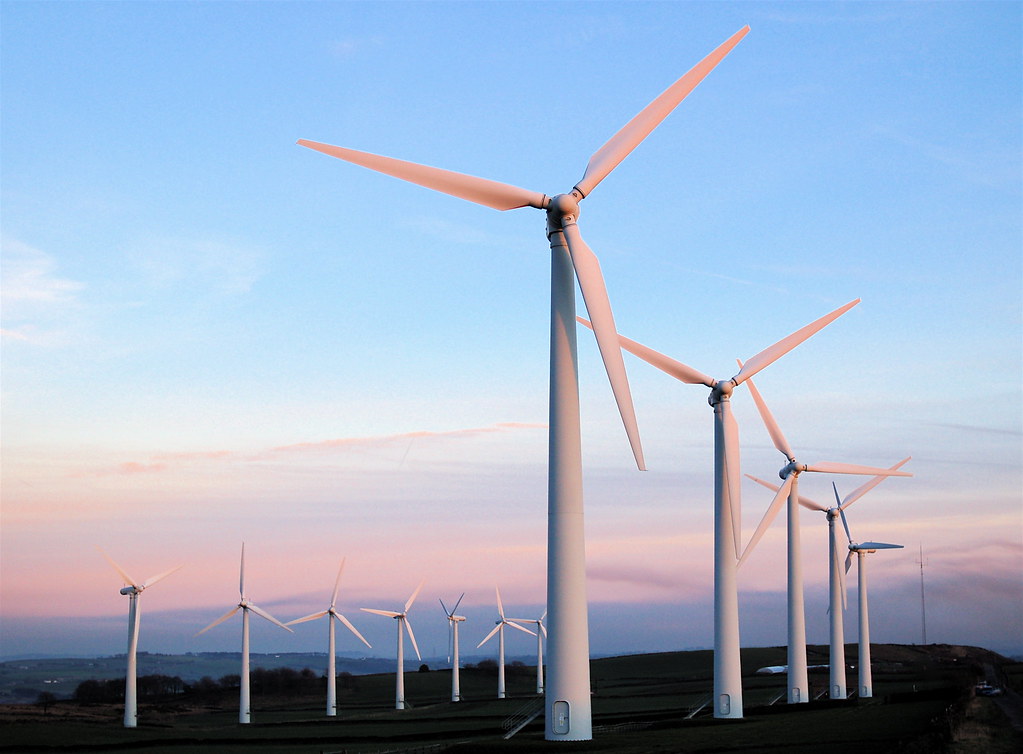
Veja Mate is a 402 MW, 1,9 bn EUR offshore wind project owned by the Highland Group Holdings Ltd, Siemens Financial Services and CI II managed by Copenhagen Infrastructure Partners. FC was completed on the 1st of July 2015. Construction started on the 4th of April 2016 and the project will produce over 1,6 TWh of green, renewable electricity annually.
Copenhagen Offshore Partners (COP) assigned its CEO on secondment to Veja Mate at FC to put into place and lead a team of highly experienced offshore wind specialists. The project has been accelerated 4 months ahead of schedule and will be delivered well within the CAPEX budget agreed at FC.
Project Background and Development Timeline
Veja Mate is a 402 MW offshore wind farm located in the German Exclusive Economic Zone (EEZ) of the North Sea, approximately 95 kilometers northwest of the island of Borkum. The project is situated in water depths ranging from 39 to 41 meters, an area known for its strong and consistent wind resources, making it an ideal location for large-scale renewable energy generation. The wind farm covers an area of approximately 51 square kilometers, with each of the 67 Siemens SWT-6.0-154 turbines spaced to optimize energy capture while minimizing wake effects.
The project was developed by Veja Mate Offshore Project GmbH, a special purpose vehicle owned by the Highland Group Holdings Ltd, Siemens Financial Services, and CI II managed by Copenhagen Infrastructure Partners. Financial Close was achieved on the 1st of July 2015, securing the 1.9 billion EUR investment required for the project. Construction officially commenced on the 4th of April 2016, with the installation of the first foundation. The project reached full commissioning in May 2017, nearly four months ahead of the schedule agreed at Financial Close.

The development of Veja Mate followed a rigorous permitting and environmental assessment process, coordinated with the German Federal Maritime and Hydrographic Agency (BSH). The project received its construction permit in 2013, after extensive studies on the marine environment, shipping routes, and grid connection feasibility. The wind farm's export cable route was designed to connect to the BorWin2 offshore converter platform, operated by TenneT TSO, which transmits the generated electricity to the German high-voltage grid.
Technical Specifications and Installation Highlights
Each of the 67 Siemens SWT-6.0-154 turbines has a rated capacity of 6.0 MW, resulting in a total installed capacity of 402 MW. The turbines feature a rotor diameter of 154 meters and a hub height of approximately 102 meters above mean sea level. The turbines are mounted on monopile foundations, each consisting of a steel pile with a diameter of up to 7.8 meters and a length of up to 72 meters, driven into the seabed. The transition pieces, which connect the monopiles to the turbine towers, were installed with grouted connections to ensure structural integrity.
The installation campaign was executed with remarkable efficiency, leveraging a fleet of specialized vessels. The monopiles and transition pieces were installed by the heavy lift vessel Innovation, while the turbines were installed by the jack-up vessel Pacific Orca. The inter-array cables, which connect the turbines to the offshore substation, were laid by the cable laying vessel Ndurance. The offshore substation, a key component of the project, was installed in September 2016 and serves as the collection point for the electricity generated by the turbines before it is transmitted to the BorWin2 converter platform.
The project also included the installation of a meteorological mast and a LiDAR system for wind resource assessment and performance monitoring. The entire construction phase was completed without any lost-time incidents, a testament to the strong safety culture fostered by the project team. The successful installation of all 67 turbines in less than 14 months is a significant achievement in the offshore wind industry, setting a benchmark for future projects.

Grid Connection and Energy Production
The electricity generated by the Veja Mate wind farm is transmitted to shore via the BorWin2 high-voltage direct current (HVDC) grid connection system, operated by TenneT TSO. The BorWin2 platform, located approximately 125 kilometers offshore, converts the alternating current (AC) produced by the wind turbines into direct current (DC) for efficient transmission over long distances. The DC power is then transmitted via subsea cables to an onshore converter station near Diele, where it is converted back to AC and fed into the German transmission grid.
The grid connection was energized in December 2016, allowing the first turbines to begin exporting power to the grid. The connection has a capacity of 800 MW, of which Veja Mate utilizes 402 MW, with the remaining capacity reserved for future offshore wind projects in the area. The wind farm is expected to produce over 1.6 TWh of green, renewable electricity annually, enough to power approximately 450,000 German households and offset over 1.2 million tonnes of CO2 emissions per year.
The performance of the wind farm is monitored 24/7 from the operations and maintenance base in Emden, Germany. The base serves as the hub for the operations and maintenance team, which includes technicians, engineers, and support staff. The team is responsible for ensuring the turbines operate at optimal efficiency, performing scheduled maintenance, and responding to any unplanned outages. The use of advanced condition monitoring systems allows for predictive maintenance, reducing downtime and maximizing energy yield.
Economic and Environmental Impact
The Veja Mate project has had a significant economic impact on the region, creating hundreds of jobs during the construction phase and supporting long-term employment in operations and maintenance. The project has also contributed to the growth of the offshore wind supply chain in Germany and Europe, with many components manufactured in Germany, Denmark, and other European countries. The investment of 1.9 billion EUR has stimulated economic activity in coastal communities and beyond.
From an environmental perspective, Veja Mate plays a crucial role in Germany's transition to renewable energy, known as the Energiewende. By generating clean electricity from wind, the project helps reduce reliance on fossil fuels and contributes to Germany's climate targets. The project's environmental impact was carefully assessed during the planning phase, and mitigation measures were implemented to protect marine life, including the use of bubble curtains during pile driving to reduce underwater noise.
The project also supports the local ecosystem through the creation of artificial reef effects around the foundations, which provide habitat for marine organisms. Studies conducted during the operational phase have shown an increase in biodiversity around the turbine foundations, demonstrating the potential for offshore wind farms to coexist with marine life. The project's commitment to sustainability extends to its operations, with a focus on minimizing waste and using environmentally friendly practices.
Project Management and Collaboration
The success of Veja Mate can be attributed to the effective project management approach implemented by the CEO and his team. The project was executed by Copenhagen Offshore Partners (COP), which provided a lean, well-organized team of international offshore wind professionals. The team's ability to anticipate risks and implement solutions quickly was key to the project's accelerated schedule and cost savings.
Collaboration with contractors, suppliers, and stakeholders was essential to the project's success. Key contractors included Siemens Wind Power for the turbines, Bladt Industries and EEW SPC for the monopiles and transition pieces, and VBMS for the inter-array cables. The project also worked closely with TenneT TSO for the grid connection and with the German BSH for regulatory compliance. The strong relationships built during the project have set a positive precedent for future offshore wind developments.
The project's lenders and shareholders played a crucial role in providing the financial backing and strategic guidance needed to bring the project to fruition. The successful delivery of Veja Mate ahead of schedule and within budget demonstrates the viability of large-scale offshore wind as an investment and reinforces the confidence of the financial community in the sector.
Future Outlook and Lessons Learned
The completion of Veja Mate marks a significant milestone in the offshore wind industry, showcasing the potential for rapid deployment of large-scale renewable energy projects. The lessons learned from Veja Mate will inform future projects, including the use of advanced installation techniques, efficient project management, and effective stakeholder engagement. The project's success has also contributed to the reduction of costs in the offshore wind sector, making it more competitive with conventional energy sources.
Looking ahead, the Veja Mate team will focus on optimizing the performance of the wind farm and ensuring its long-term reliability. The operations and maintenance strategy will be continuously refined based on data collected from the turbines and environmental monitoring systems. The project will also serve as a reference for future offshore wind developments in the German North Sea and beyond.
For more information about Veja Mate and its achievements, please visit our Media section or read the latest Press Releases. You can also learn about the grid connection milestone in our article TenneT connects offshore wind farm Veja Mate to grid connection BorWin2.